Hawthorne, Belmont & Division
Close-in commercial corridors support a walkable mix of dining, shopping, services, and frequent bus connections.
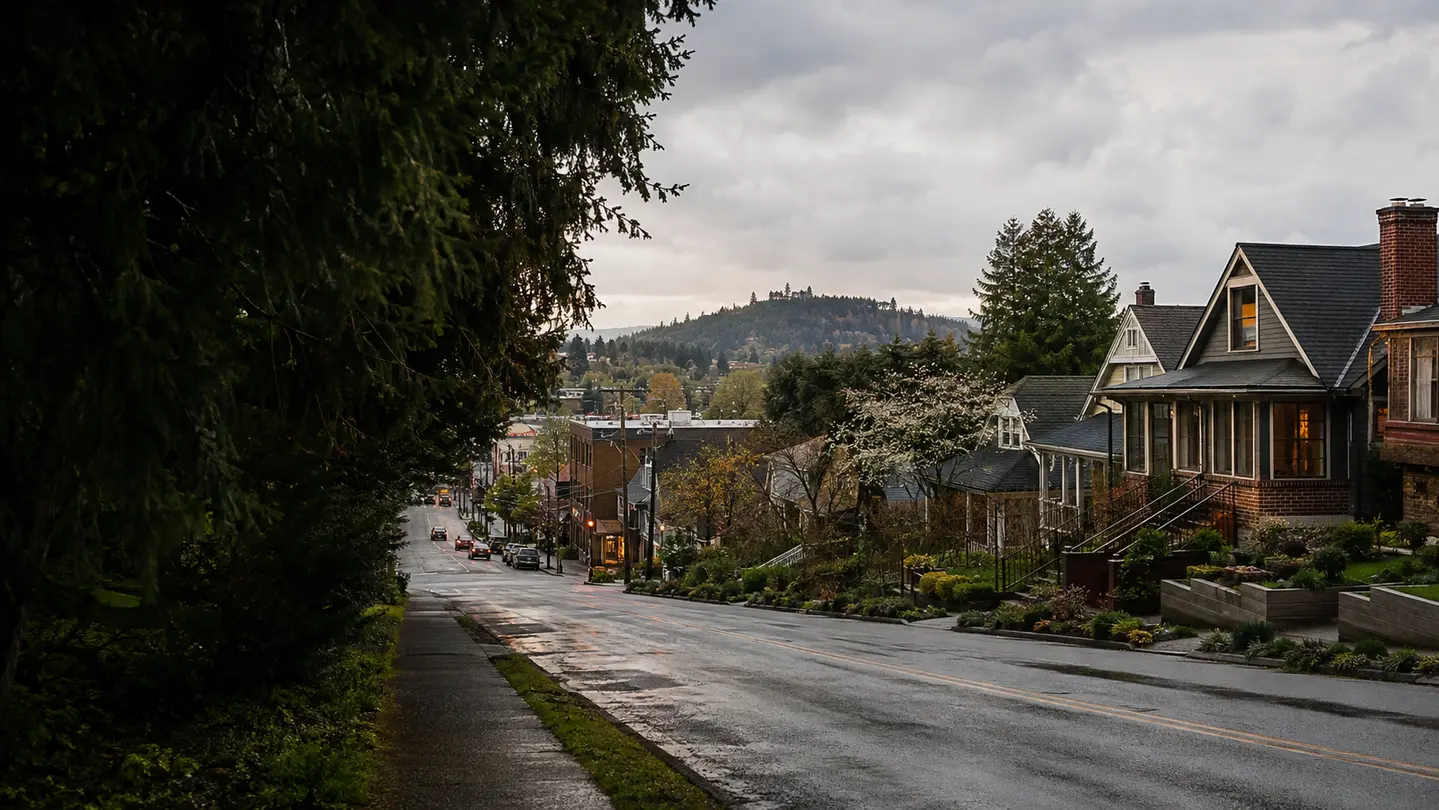
Southeast Portland • Multnomah County
Explore one of Portland’s most varied areas, from close-in commercial streets and historic neighborhoods to mid-century communities and growing eastern districts.
Southeast Portland real estate guide
Southeast Portland contains many distinct housing markets connected by local main streets, parks, and an extensive street grid.
Hawthorne, Division, Belmont, Woodstock, Foster, and other corridors create different combinations of dining, shopping, services, and transportation. Residential settings range from compact close-in blocks to quieter streets with postwar homes and larger lots farther east.
The quadrant includes many City-recognized neighborhoods, each with its own property patterns and public resources. Brian helps buyers compare location, age, condition, lot characteristics, transit, and current sales rather than relying on a single Southeast Portland average.
Four defining connections
These community-wide highlights are useful orientation points. The exact home, block, jurisdiction, and daily route still determine fit.
Close-in commercial corridors support a walkable mix of dining, shopping, services, and frequent bus connections.
Mount Tabor and a wide network of neighborhood parks add trail, recreation, and open-space options within the city grid.
The southwest edge of the quadrant combines older homes, neighborhood business streets, parks, and Willamette River proximity.
Victorian and Craftsman homes, cottages, ranches, mid-century houses, apartments, townhomes, and new construction all appear across Southeast.
Compare the community
These are orientation points, not rigid boundaries. A focused tour helps show how housing, terrain, access, and services change from one area to the next.
Buckman, Sunnyside, Richmond, Hosford-Abernethy, and nearby districts offer older housing and quick access to active commercial streets.
Ask Brian about this setting →These areas mix village-style business districts, parks, established homes, and connections toward the river and inner eastside.
Ask Brian about this setting →Farther east, buyers can compare mid-century housing, larger lots, newer infill, major transit corridors, and different levels of commercial access.
Ask Brian about this setting →Homes in Southeast Portland
The right choice depends on more than appearance. Condition, site, parking, HOA health, utilities, permits, and monthly costs can change the ownership experience.
“Start with the way you want to live, then investigate the property with discipline.”
Older Southeast homes can combine original detail with decades of updates. Sewer, foundation, electrical, roof, seismic, and permit history should be evaluated carefully.
Many eastern and southern neighborhoods include single-level and split-level properties. Lot layout, drainage, energy performance, and remodeling quality can distinguish value.
Attached and newer housing can reduce exterior maintenance or add modern systems. Compare HOA health, parking, storage, outdoor space, warranties, and privacy.
Southeast Portland due diligence
Brian helps buyers organize property questions, documents, inspections, and specialists before the decision becomes final.

Work directly with Brian
A polished listing can only show part of the story. Brian helps you compare current market evidence, condition, documents, site factors, location tradeoffs, and offer strategy so the decision works beyond the first impression.
Southeast Portland questions
Community research becomes more useful when it leads to property-specific questions.
Southeast Portland includes Victorian and Craftsman houses, bungalows, cottages, ranch homes, split levels, condominiums, townhomes, apartments, and newer detached infill. Housing age and lot patterns change as you move east and south.
Compare the exact commercial corridor, transit route, park access, lot, home age, and renovation quality. Southeast Portland’s submarkets differ enough that recent sales should be selected from truly comparable nearby properties.
The quadrant includes Mount Tabor, neighborhood parks, natural areas, river connections, and greenways. Portland Parks provides current facility information, and buyers should verify walking or biking routes from the exact property.
Frequent bus corridors and selected MAX service connect parts of Southeast Portland with downtown and the broader region. Travel time varies significantly by street and destination, so check current TriMet routes and test the trip.
The checklist depends on the address, but common priorities include sewer scope and plumbing materials, foundation, drainage, and basement moisture, oil-tank and environmental history, and permit records and remodel quality. Brian can help organize the documents, inspections, and public-source verification appropriate to the property.
Verify with primary sources
Public information changes. Use these official resources for the latest parks, trails, planning, transportation, and community details.
Considering Southeast Portland?
Share your timing, budget, preferred home style, and daily-life priorities. Brian will help you compare the Southeast Portland opportunities that fit.