Reliable Field Intelligence
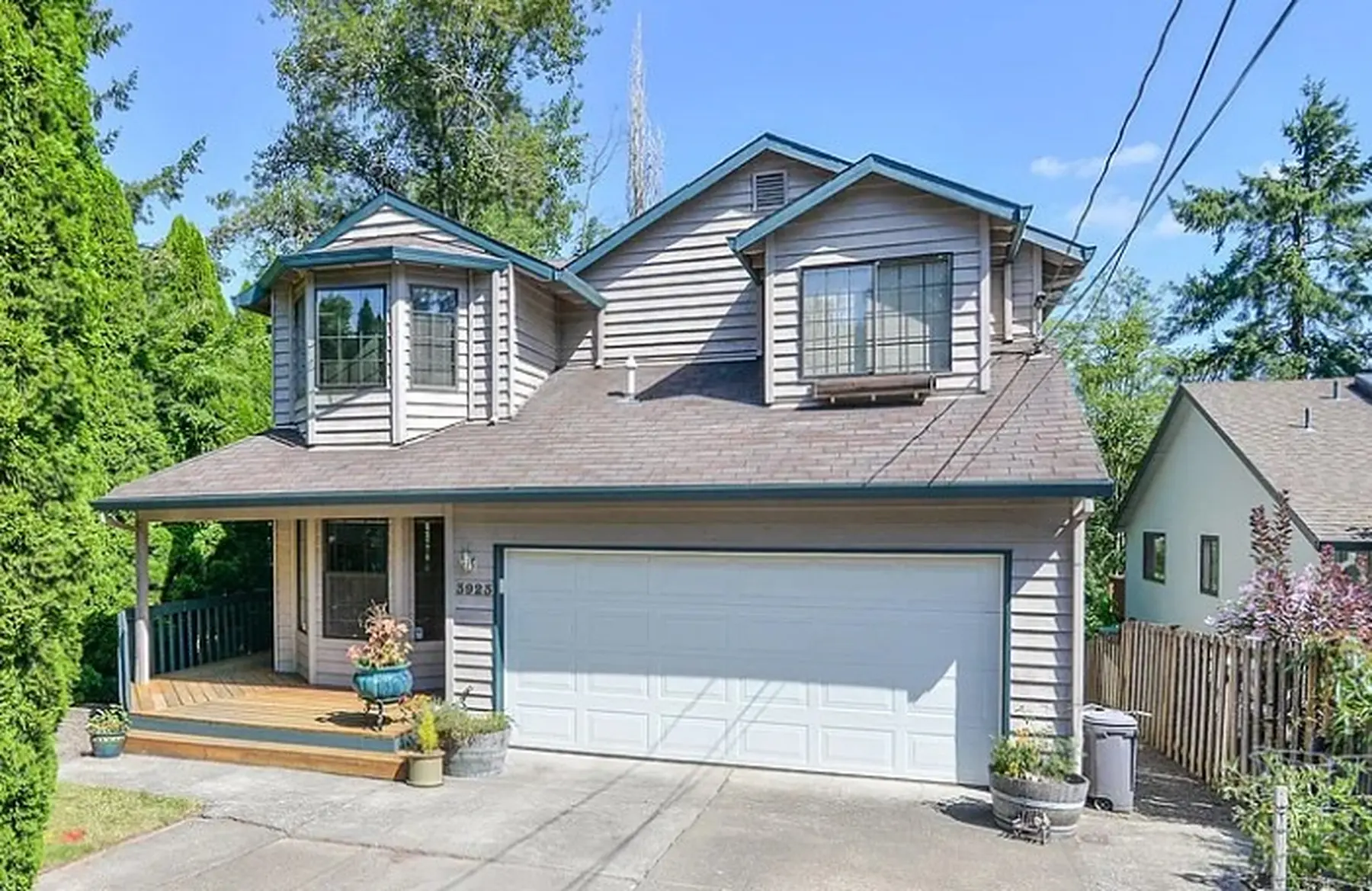
Current occupancy, access, condition, safety, utilities, exterior risks, personal property, and neighborhood context documented with clear photos and notes.
Oregon REO disposition support
Brian works directly with asset management companies, servicers, lenders, and institutional sellers to move Portland Metro REO assignments from first inspection through closing—with disciplined documentation, market-based recommendations, and responsive communication.
Built for institutional ownership
The asset manager sets the strategy. Brian turns that strategy into verified local action.
Once ownership and authority are confirmed, the work shifts quickly: document occupancy and condition, secure the asset, identify urgent risks, establish a defensible value, compare repair options, coordinate approved vendors, launch the listing, report market response, evaluate offers, and keep title and escrow moving.
Brian provides one accountable local point of contact for the real estate portion of the assignment. He follows the client’s platform, forms, service-level requirements, approval limits, marketing instructions, and reporting cadence while coordinating with preservation vendors, title, escrow, counsel, utilities, HOAs, municipalities, buyer agents, and inspectors.
Legal possession, eviction, foreclosure validity, title authority, and seller-specific compliance decisions remain with the owner, servicer, counsel, and title professionals.
What asset managers need
Useful REO representation is measured by the quality, speed, and consistency of the information returned to the asset manager—not simply by placing a sign in the yard.
Current occupancy, access, condition, safety, utilities, exterior risks, personal property, and neighborhood context documented with clear photos and notes.
Relevant comparable sales, active competition, condition adjustments, repair assumptions, market absorption, and likely buyer-financing constraints.
Written approvals, organized bids, vendor access, invoices, completion evidence, listing milestones, feedback, and offer documentation kept in one workflow.
Recommendations balance price, days on market, carrying cost, repair exposure, buyer certainty, concessions, and probability of closing.
Beginning to end
Every client has its own platform and procedures. This framework shows how Brian organizes the local real estate work around the asset manager’s instructions.
“The next update should answer a question—not create three more.”
Confirm the asset, client contacts, ownership documents available, reporting platform, deadlines, listing requirements, expense authority, access instructions, and escalation path.
Perform the authorized exterior or interior inspection, document observable occupancy and property condition, identify urgent safety or preservation concerns, and report exceptions promptly.
Coordinate authorized rekeying, utilities, winterization or de-winterization, debris or personal-property instructions, landscaping, hazard response, and recurring preservation checks.
Deliver a supportable opinion of value using appropriate comps, condition and location analysis, active competition, repair estimates, financing limitations, and projected net outcomes.
Obtain requested bids, provide photo documentation, compare as-is and repair scenarios, coordinate approved work, verify completion, and prepare accurate marketing materials.
Enter complete MLS data, publish professional photography, manage access and showing instructions, respond to buyer questions, monitor competing inventory, and report activity.
Present offers and notices promptly, compare price with financing and execution risk, document material terms, manage counters and required addenda, and track every deadline.
Coordinate with title, escrow, counsel, the buyer’s team, and the asset manager; resolve real estate action items; verify final documentation; and complete the closing and post-close record.
Four ways Brian reduces friction
Brian stays close to the property, the market, and the transaction so asset managers receive useful local context without chasing multiple contacts.
Material access, safety, occupancy, title, vendor, and transaction issues are identified early and routed to the right decision-maker.
Photos, bids, approvals, invoices, market feedback, offer terms, and milestone updates support an organized audit trail.
Pricing and repair recommendations reflect the correct Portland Metro submarket, likely buyer pool, property condition, and current competition.
Required addenda, signatures, buyer financing, inspections, title items, escrow requests, and deadlines are tracked through completion.
Oregon operating context
Oregon permits judicial and nonjudicial foreclosure processes. The acquisition route affects the documents, timing, possession, title work, and sale instructions. Brian coordinates the real estate assignment after the client, counsel, and title professionals establish the owner’s authority and requirements.
Why Brian
Brian has worked in Portland Metro real estate since 2014 and brings experience with REO sales, distressed properties, deferred maintenance, difficult title or occupancy circumstances, and transactions that require more coordination than a conventional listing.
He understands that an AMC relationship is built assignment by assignment: meet the deadline, follow instructions, document the work, protect the client’s position, communicate changes, and keep the sale moving.
REO assignment questions
Scope, timing, authority, expenses, and reporting requirements are established for each assignment.
REO means real estate owned. It generally describes property an institution owns after foreclosure, a deed in lieu, or another acquisition. The listing phase begins after the owner’s authority, vesting, possession strategy, and instructions are confirmed.
Yes. Brian can provide exterior or interior broker price opinions, comparative market analyses, repair-versus-as-is scenarios, active competition, condition adjustments, and updated marketing recommendations. A BPO is a broker’s opinion and is not an appraisal.
Yes, within the client’s written scope and approval process. Brian can document condition, obtain bids, coordinate access, monitor approved work, collect completion photos and invoices, and report exceptions. Specialized work remains with appropriately qualified vendors.
Brian documents observable facts and follows the client’s occupancy protocol. He does not make eviction, tenancy, possession, or personal-property determinations; those issues are escalated to the owner, servicer, counsel, and authorized vendors.
Oregon law provides an exclusion that may apply to a qualifying sale by a financial institution that acquired the property as custodian, agent, or trustee, or through foreclosure or a deed in lieu. The seller and counsel should confirm eligibility and the correct form. An exclusion does not remove a broker’s duty to disclose known material facts that are not apparent or readily ascertainable.
No. “As-is” allocates condition and repair expectations in the contract, but it does not replace required disclosures, known-material-fact duties, title review, or the buyer’s right to perform allowed due diligence. Brian helps document condition and present the client’s approved terms accurately.
Brian’s core service area is the Portland Metro, including Multnomah, Washington, and Clackamas counties. Nearby assignments can be reviewed individually based on location, scope, and required response times.
Reference framework
Client procedures control each engagement. These public resources provide useful context for Oregon foreclosure, broker duties, disclosures, and institutional REO disposition.
AMC and institutional assignments
Share the property location, assignment stage, required services, and response deadline. Brian will confirm coverage, availability, and the information needed to begin.